How to Write a Community Event Invitation People Can Act On
Write a community event invitation with a clear purpose, usable logistics, and an easy response route so readers can decide and know what to do next.
A community event invitation works best when readers can tell what the event is for and what action to take next. Put the purpose, date, time, location, and reply instructions where a person can find them quickly.
“Everyone welcome” conveys goodwill, but it does not tell someone whether to RSVP, bring supplies, or look for a particular entrance. Treat the invitation as a small piece of event coordination: it should connect the reader to the right details and give organizers a usable response.
What should the first lines tell readers?
Lead with the event’s purpose and the decision a reader needs to make. “Help plan the Elm Street block party on Thursday” is more actionable than “Join us for community,” because it names both the activity and its subject.
Follow with the date, start and finish times, and location. If the venue is easy to confuse, add a landmark or entrance, such as “Use the door beside the library courtyard.” These details should appear before background about the organizing group.
Say who the event is intended for when that affects attendance. For instance, if the planning session is for residents of a particular building, name that group; if neighbors from nearby streets are also invited, say so. Avoid a broad claim of universal access when the event has a defined audience or venue rules.
How should you make an invitation easy to respond to?
Choose one primary response route and state what the reader should do there. If organizers need a head count, ask people to reply by email or use a named sign-up form; if no reply is needed, say that plainly.
Give a contact name or role and a working channel for questions. “Questions? Email Jordan at the address below” is clearer than “Reach out,” which leaves the reader to guess where. If the event has a public message page, include its name or link in the invitation itself.
Keep response instructions distinct from optional ways to help. Someone who wants to attend should not have to infer whether they must volunteer, bring an item, or join a planning group first.
Which details belong in the invitation?
Use this review list before sending. For each item, check the stated detail and make the next decision explicit:
- Purpose: Check that the activity or outcome is named; if a reader could mistake it for another kind of event, then rewrite the opening around the actual activity.
- Date and time: Check that the date, start time, and expected finish are stated; if any are still undecided, then mark them as pending and say where the confirmed information will appear.
- Location: Check that the venue and useful entrance or arrival cue are included; if more than one door or site could cause confusion, then add a landmark or a meeting point.
- Audience: Check who is invited and any relevant attendance condition; if the wording leaves eligibility unclear, then name the intended group or ask the venue organizer to confirm its rules.
- Cost and supplies: Check whether there is a fee, contribution, or requested item; if none is required, then say so, and if an item is optional, then label it optional.
- Reply instructions: Check whether an RSVP is required, requested, or unnecessary; if a reply is needed, then state the method and deadline, and if it is not, then remove any wording that sounds compulsory.
- Questions and updates: Check that a reader can contact someone and find changes; if the details may shift, then name the channel where updates will be posted.
Not every invitation needs a long explanation of the group’s history or every possible contingency. That detail is not worth the effort if it pushes the date, place, or response action out of view; keep background brief and link or direct readers to a fuller source when one exists.
How can the wording set accurate expectations?
Describe the format in concrete terms without turning the invitation into a pitch. “We’ll review three proposed garden layouts, then choose one to develop” tells readers more than “An evening of ideas and connection.”
Clarify any action that affects a person’s decision to attend: whether the gathering includes a presentation, a hands-on task, or a decision; whether materials are provided; and whether arriving late would mean missing the main activity. Keep the emphasis on the event’s logistics, not on persuading readers that they will feel a certain way.
If an access detail is relevant, state what is known and offer a specific contact for questions. For example, name the step-free entrance if confirmed; if you do not know whether it is available, say who can verify it rather than implying that every need can be accommodated.
What if some event details are still uncertain?
Separate confirmed information from pending information and explain how the latter will be resolved. If a weather plan or room assignment could change where people should go, put the update channel beside the location details.
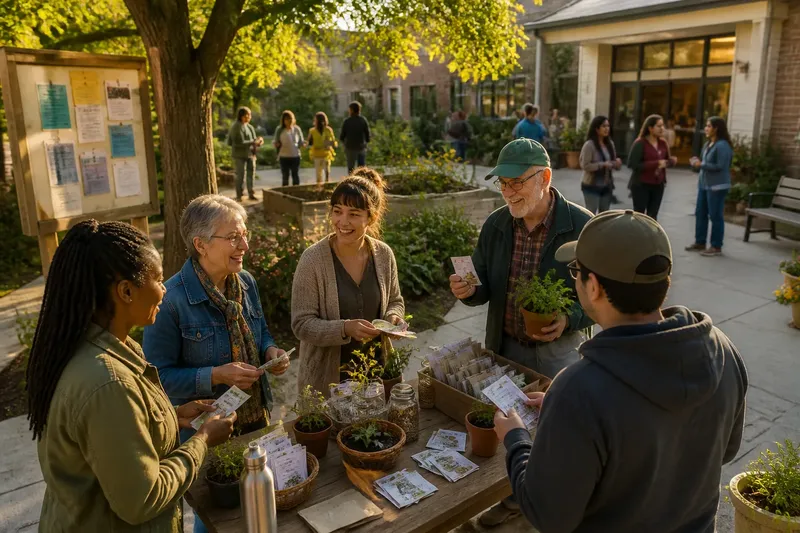
Imagine a neighborhood seed exchange with a confirmed Saturday afternoon time but an indoor room still awaiting approval. The organizer writes that the exchange is planned for the community center courtyard, says visitors may bring seeds or browse, and notes that the center’s noticeboard will carry the final location update. Readers can decide whether to attend while knowing exactly where to check before setting out.
When a change affects whether someone can attend, send the update through the same channel used for the invitation if possible. A small note such as “Room confirmation pending; check the noticeboard before coming” is more useful than wording that sounds settled when it is not.
What questions do readers ask before replying?
Should a community event invitation state whether there is a fee?
Yes, if a fee or contribution could affect someone’s decision. Say whether entry is free, whether donations are optional, or whom to contact privately about a cost question.
How should an invitation request an RSVP?
State whether a reply is required, requested, or unnecessary, then give the response method and any relevant deadline. If the RSVP helps with planning but is not a condition of attendance, make that distinction clear.
What should the invitation say about supplies?
Tell readers whether materials are provided and whether anything they bring is optional or needed for the activity. If organizers have not settled that detail, name the person or channel that will confirm it.
What if the venue or schedule may change?
Identify the detail that is still pending and name the place where an update will appear. If the change would alter the event’s basic purpose or timing, send a direct update to people who have already replied.
How can you review a community event invitation before sending it?
Read the draft as someone who has not met the organizers. Check whether the first lines identify the activity, whether the date and place are usable, and whether a reader can tell exactly how to reply or ask a question.
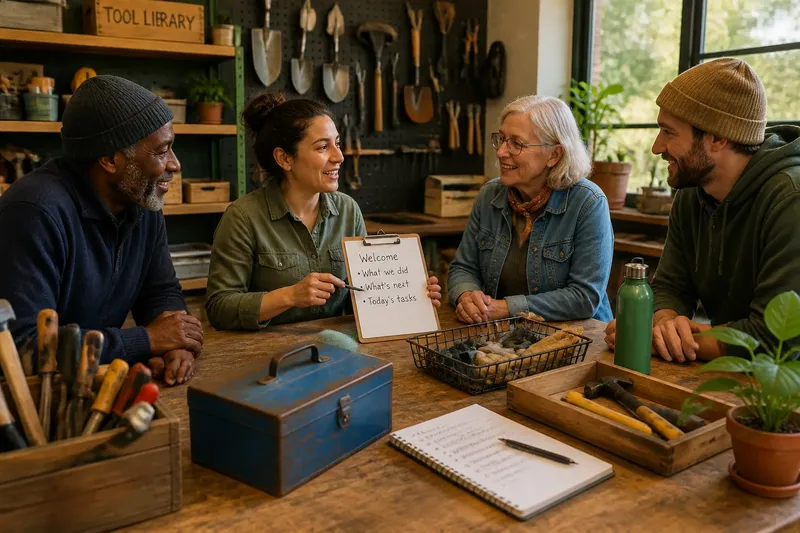
Imagine a draft for a library-room planning meeting that says only, “Join us Wednesday to talk about the neighborhood fair.” The organizer checks the room booking and finds that the meeting starts at 6 p.m., ends at 7 p.m., and uses the side entrance beside the courtyard; then adds that residents can RSVP by email or attend without replying. The revised invitation gives readers a clear arrival plan and a concrete choice about responding, without implying that an RSVP is mandatory.
Use “community event invitation” naturally in the subject line or opening when it helps people identify the message, but prioritize clarity over search phrasing. The most useful invitation is the one that lets a reader decide, respond through the right channel, and show up with the information the organizers actually know.